If asked to name a heroine of WWII, many would be able to name Odette Hallowes, Violette Szabo or Noor Inayat Khan. Very few these days would name Jane Walker, although in 1945 she was described as “the Nurse Cavell of this war”, and embarked on a lecture tour, visiting Aberdeen, Edinburgh, Perth and Chester among other places and describing her experiences in Poland.
What makes her really interesting from our point of view is that she came from Dalmeny.
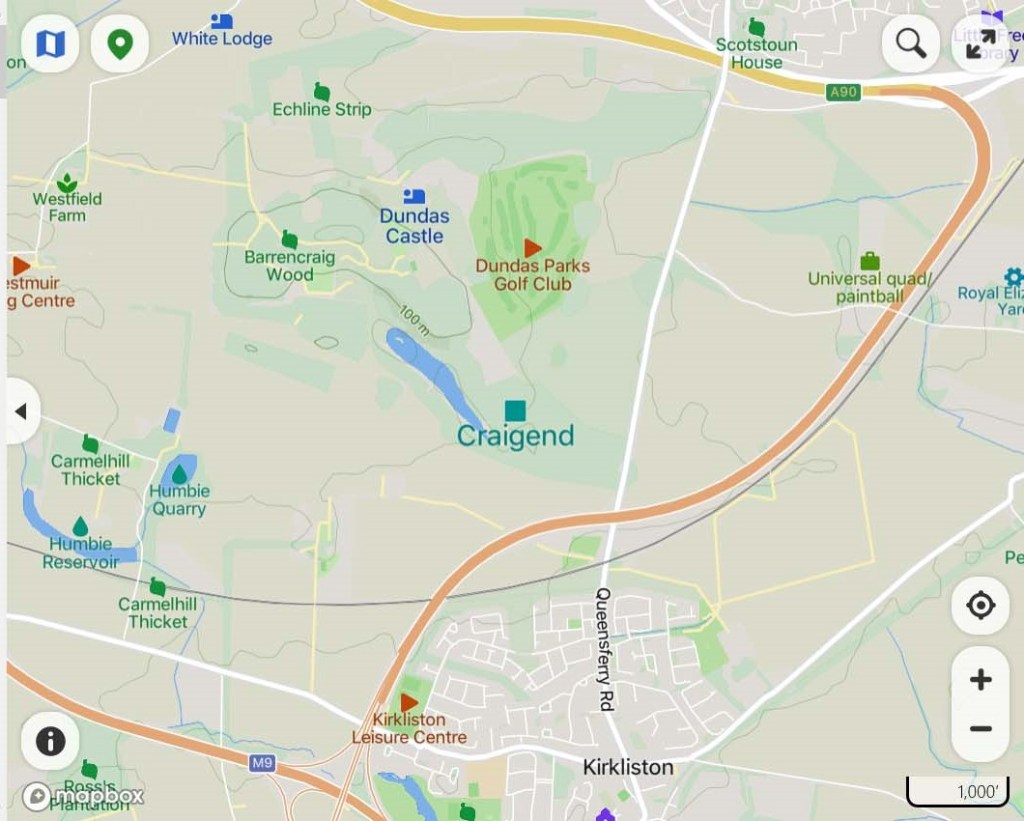
She was born in Craigend Cottages in Dundas, Parish of Dalmeny, in 1877; her father was Samuel Walker, an agricultural labourer, her mother was Janet (Gibson) Walker. She seems to have had five siblings. She later told people that she had accompanied her father to Vienna as a teenager when he was a military attaché to the Austrian Government, and that she had worked as a language teacher to the daughters of the Archduchess Isabella from 1902 to 1910.
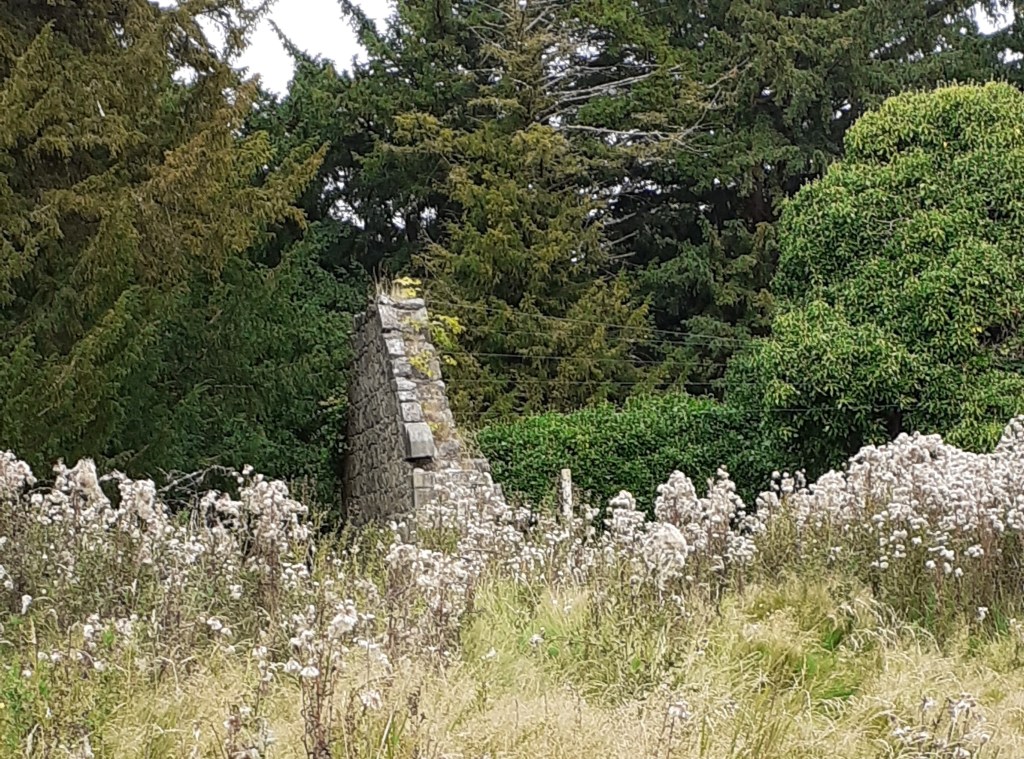
This ruin is all that remains of Craigend today.
We have found evidence that she married a Maximillian Markowski in Vienna on 12th December 1909 and a child, Maximillian Victor, was born on 6th September 1910. At this point she vanishes, although it is likely that she moved with her husband and child to Warsaw, having automatically become a Polish citizen by marriage. We next hear of her in 1941.
During WWII many soldiers and airmen were imprisoned in POW camps all over occupied Europe and many attempted to escape. There were many such camps in Poland and in 1941 some British escapers, including Lieutenant E.G.B. Davies-Scourfield, were picked up by members of the Polish resistance; they were directed to meet a “Mrs M” in Chmielna Street, Warsaw, who would look after them at a safe house. The idea of anywhere in Warsaw being described as a “safe house” beggars belief; the city was swarming with German troops and must have been unbelievably dangerous.
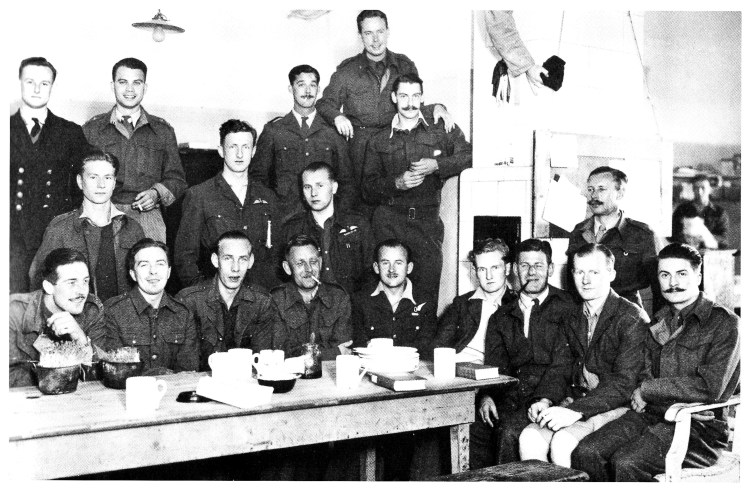
Image – E.G.B.Davies Scourfied in Colditz. Seated far right.(Wikimedia Commons)
Davies-Scourfield describes meeting a “fat old woman who spoke English with a foreign accent”. It should be pointed out that he had been educated at Winchester and Sandhurst and had probably never heard a Scots accent before. Years later he described in his autobiography how she looked after many escapers (and downed airmen who were trying to avoid capture) in several safe houses; some of them, including him, were with her for some time and she was instrumental in getting as many as thirty or forty to safety. We have the names of some of these men. He learned much about her during his time in Warsaw and met her husband, Maximillian Markowski. She told him that she had been born in Dalmeny and had been a language teacher for many years. She had been nursing and hiding escapees since 1940.
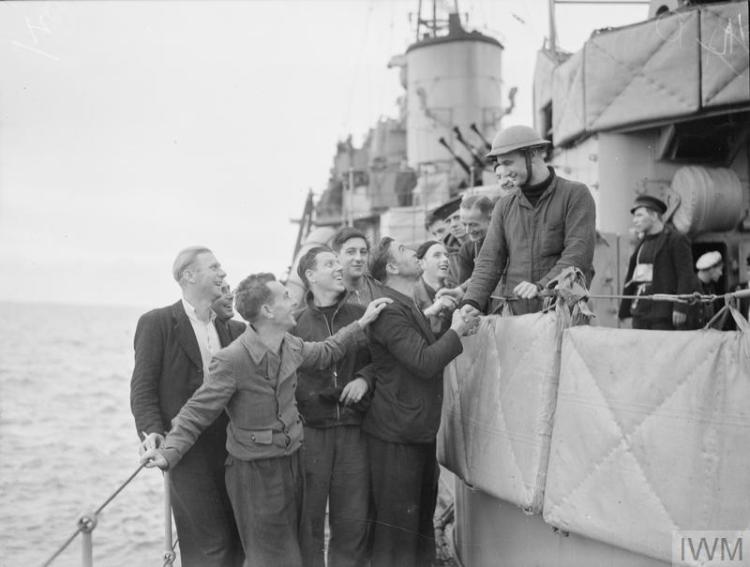
Eventually the inevitable happened, her organisation was betrayed and in 1942 she was forced to leave Warsaw as quickly as possible and go into hiding in the countryside. She continued to provide help to escapees and evaders in her rural hideout in a small village on the banks of the Vistula some twenty miles from Warsaw. Had the Germans caught her, she would have been tortured and shot or sent to a concentration camp.
In 1944 the Russian army drove out the Germans and she became relatively safe. She was met in Lublin by Stefan Litauer, a newspaper correspondent, who brought her remarkable story to the attention of the British public in the News Chronicle on the 27th of November 1944. She was able to reach the British Military Mission in Odessa dressed in the uniform of a Royal Air Force non-commissioned officer and accompanied by a small group of released P.O.W.s. From Odessa she travelled by ship to Gourrock, landing in her native Scotland for the first time in forty years.
At some point her marriage had been dissolved and she assumed her maiden name when she entered Britain. She was awarded the MBE in September 1945 “For services to members of British and Allied Forces in Poland” and became a naturalised citizen in 1947. This remarkable woman died in a care home in Bexhill in November 1962 aged 85 and her obituary in the Times was written by Col. E.G.B. Davies-Scourfield, who visited and looked after her grave until his own death in 2006.
There is much about Jane Walker that we do not know. We have no idea how she moved from Dalmeny to Vienna. She claimed that she travelled to Vienna with her father who was a British military attaché; we find this very difficult to believe as her father was Samuel Walker, an agricultural labourer. We have a copy of the registry entry recording her wedding in Vienna; she claims there that her father was an officer. She told people that she taught English to the daughters of the Archduchess Isabella; we have been unable to verify this, although we are still trying. We have contacted the Institute of National Remembrance in Poland and asked if they can provide any information about her, but they could find no record of her. This is hardly surprising; in 1944 much of Warsaw was destroyed by the Germans.
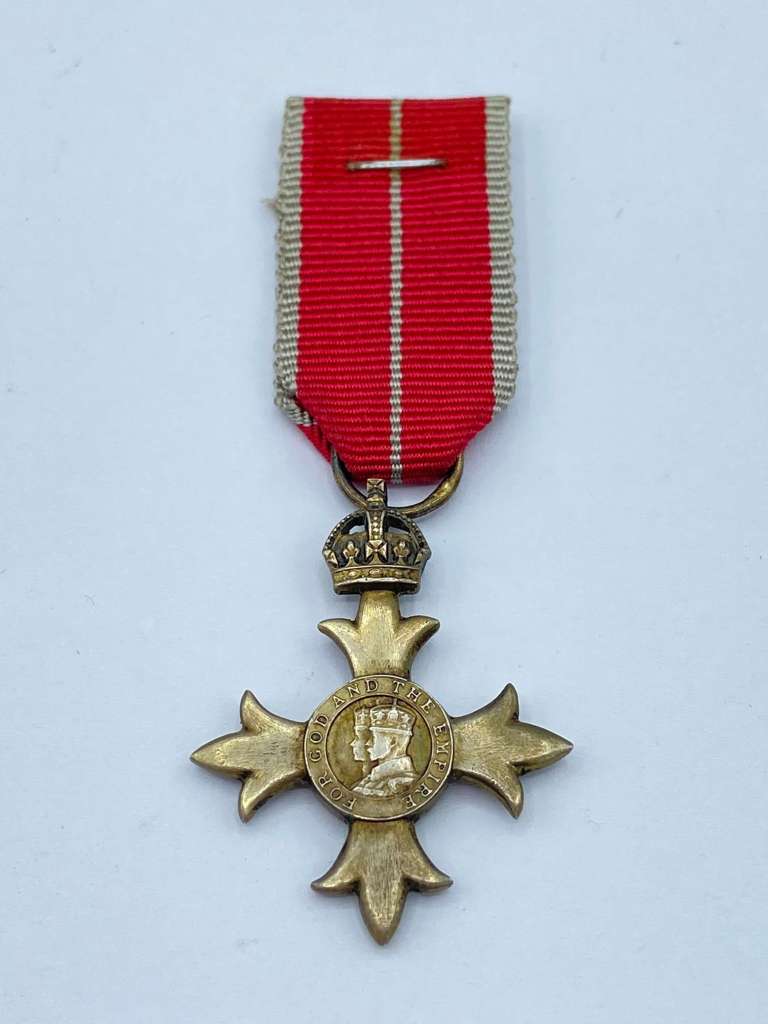
What we do know is that she was resourceful and showed astonishing courage in the face of great danger; she deserves more recognition for her actions.
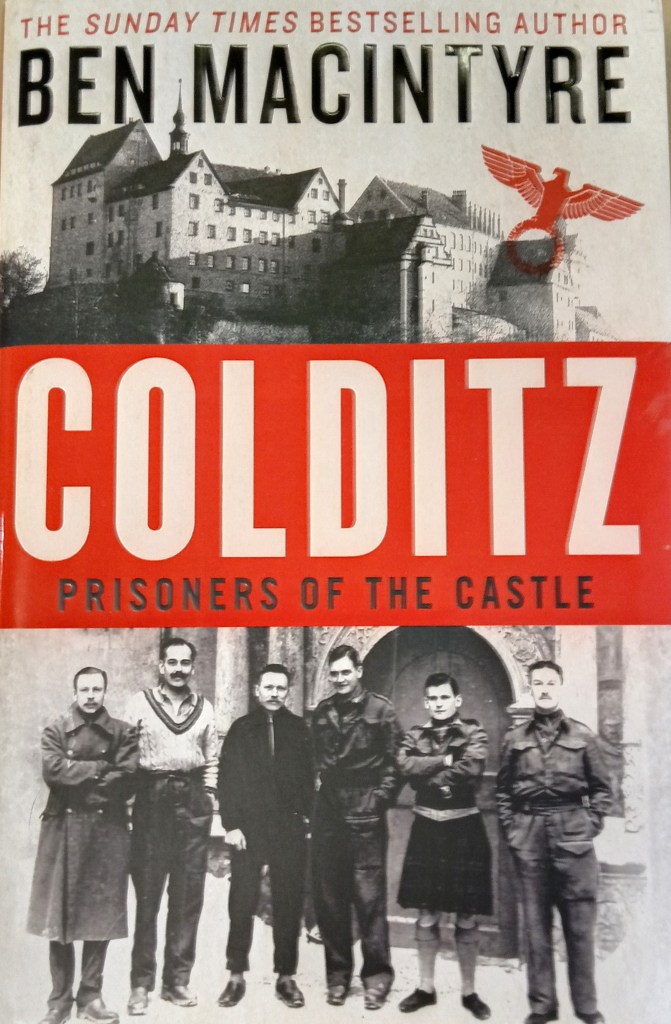
Jane Walker is mentioned in book by Ben MacKintyre titled “Colditz – Prisoners of the Castle” which is available from Amazon.
As this is an on going research project, if you know anything about this Jane Walker, please contact us at queensferryhg@gmail.com
 Queensferry History
You must be logged in to post a comment.