The Battle of Normandy – (Operation Overlord)
There is a lot of information regarding D-Day landings on the internet (some conflicting) so we will just give a few facts here.
The defeat of Germany was acknowledged as the Western Allies’ principal war aim as early as December 1941. Opening a second front would relieve pressure on the Soviet Union in the East and the liberation of France would weaken Germany’s overall position in Western Europe. The invasion, if successful, would drain German resources and block access to key military sites. Securing a bridgehead in Normandy would allow the Allies to establish a viable presence in Northern Europe for the first time since the Allied evacuation from Dunkirk in 1940.
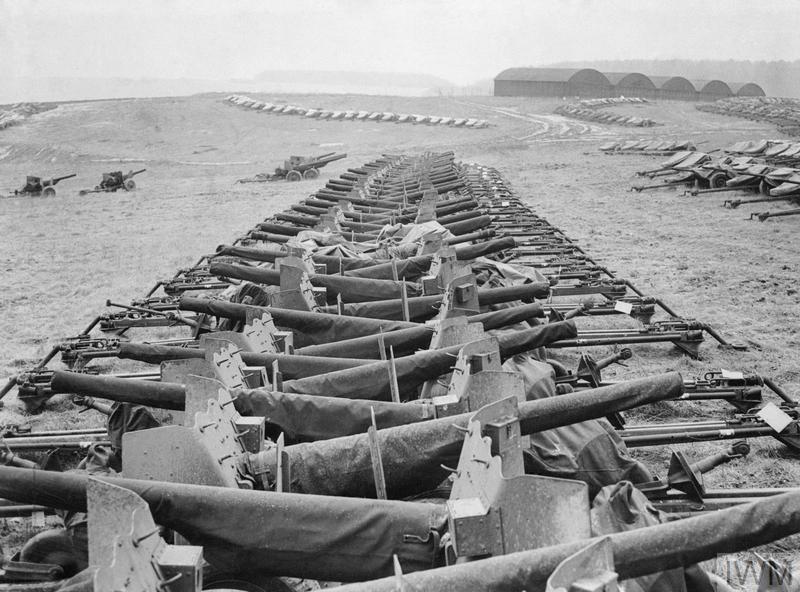
In Preparation for the D-Day landings several naval bases in the UK were used for training. In South Queensferry, Port Edgar, commissioned as HMS Lochinvar, was one of those.
HMS Lochinvar was a mine-sweeping training shore establishment of the Royal Navy. It was established in 1939. From 1943 to 1946 it was temporarily transferred to nearby Granton Harbour while Port Edgar became a training centre for the 1944 Normandy Landings. HMS Lochinvar closed in 1975 when its operations moved across the Forth to HMS Caledonia in the rebuilt naval base at Rosyth.
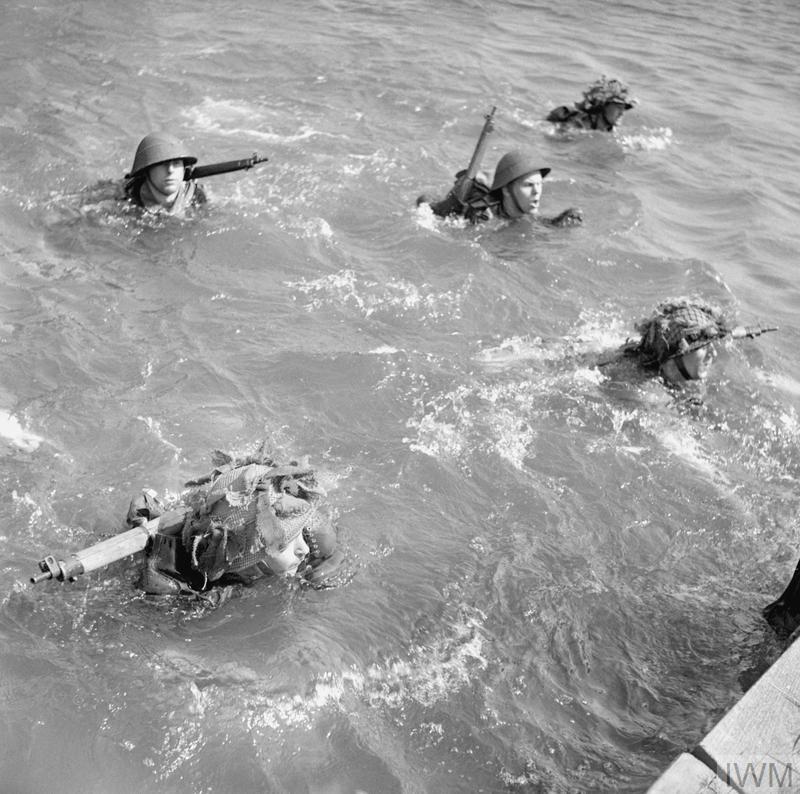
On D-Day, 6th June 1944, Allied forces launched a combined naval, air and land assault on Nazi-occupied France. The ‘D’ in D-Day stands simply for ‘day’ and the term was used to describe the first day of any large military operation.
D-Day, code-named “Operation Neptune” was on 6th June. It was the start of the campaign to liberate Europe and defeat Germany. However the Battle of Normandy, code-named “Operation Overlord”, lasted from 6th June 1944 until 29th August 1944. The Battle of Normandy was a hard-fought campaign.
Allied airborne forces parachuted into drop zones across Northern France. Ground troops then landed across five assault beaches. By the end of the day, the Allies had established a foothold along the coast and could begin their advance into France.
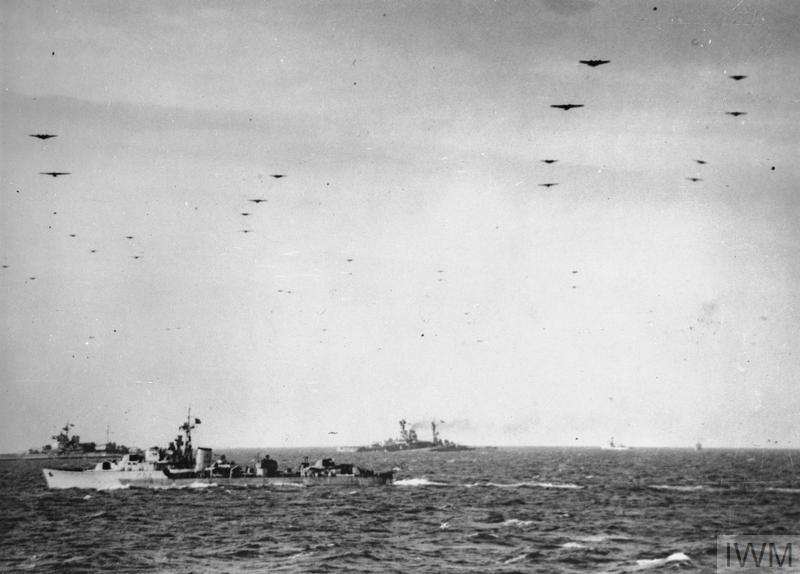
The allied forces landed along the Normandy coast where the Germans had built the ‘Atlantic Wall’, which was an extensive system of coastal defences and fortifications built by Nazi Germany between 1942 and 1944 along the coast of continental Europe and Scandinavia as a defence against an anticipated Allied invasion of Nazi-occupied Europe from the United Kingdom, during World War II.
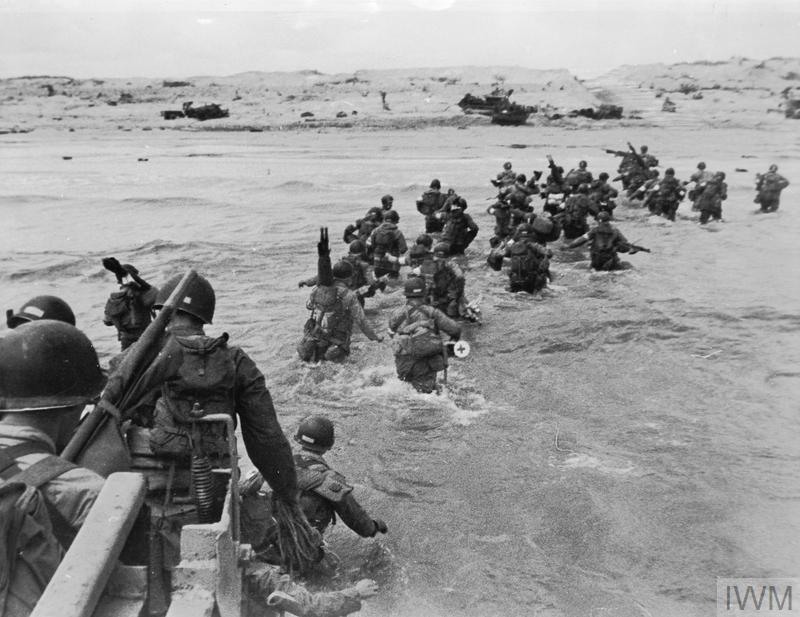
This was the largest amphibious invasion in the history of warfare. The statistics of D-Day are staggering. British, American and Canadian forces used over 5,000 ships and landing craft to land more than 150,000 troops on the five beaches in Normandy. The landings marked the start of a long and costly campaign in north-west Europe, which ultimately convinced the German high command that defeat was inevitable.
For the operation the beaches were named ‘Omaha’ (troops from the US army 1st and 29th Infantry Divisions) , ‘Utah’ (over 23,000 men of US army 4th Infantry division), ‘Gold’ (nearly 25,000 men of the British 50th Division) ‘Juno ‘(the Canadian 3rd Division) and ‘Sword’ (British 3rd Division).
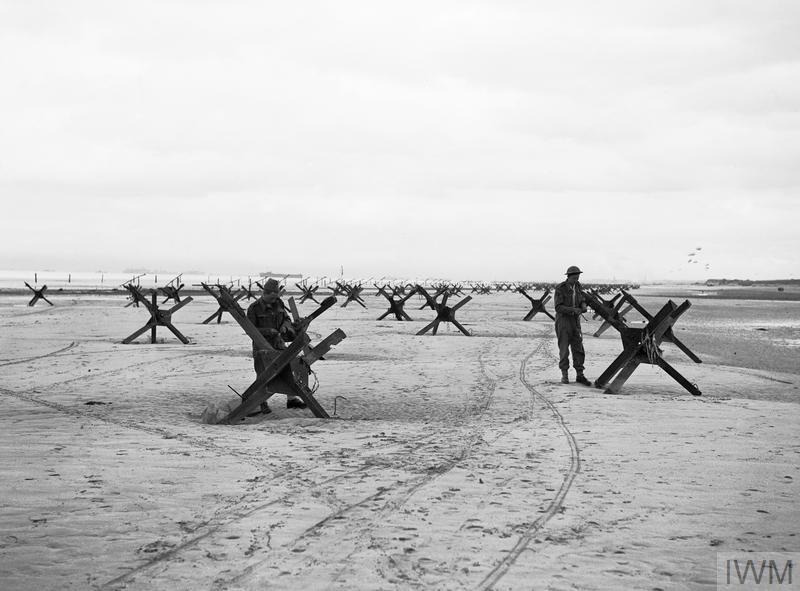
Figures tend to vary wherever you look, but approximately 4,630 thousand troops were killed on 6th June, 1,760 British, 370 Canadians and 2,500 Americans, along with thousands wounded. They faced approximately 50,000 German forces.
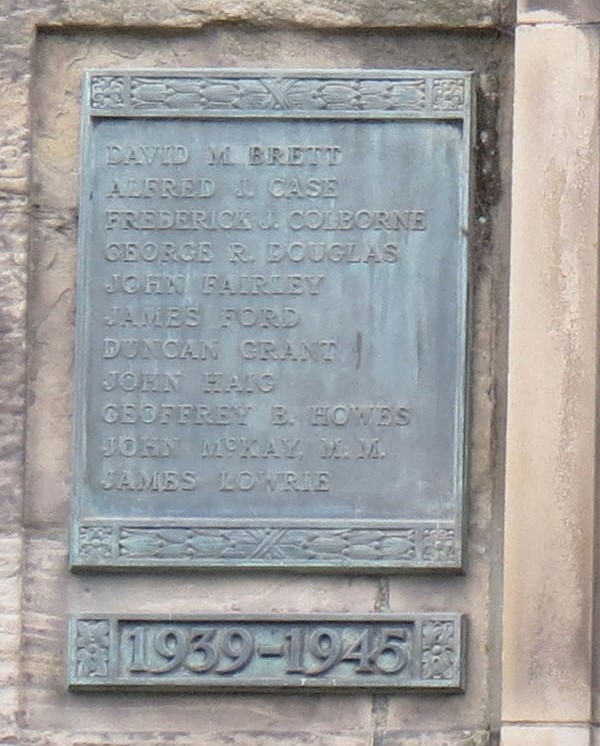
Queensferry has three men named on their War Memorial who died in ‘Operation Overlord’, but not during ‘D Day’, bearing in mind the battle lasted until 29th August.
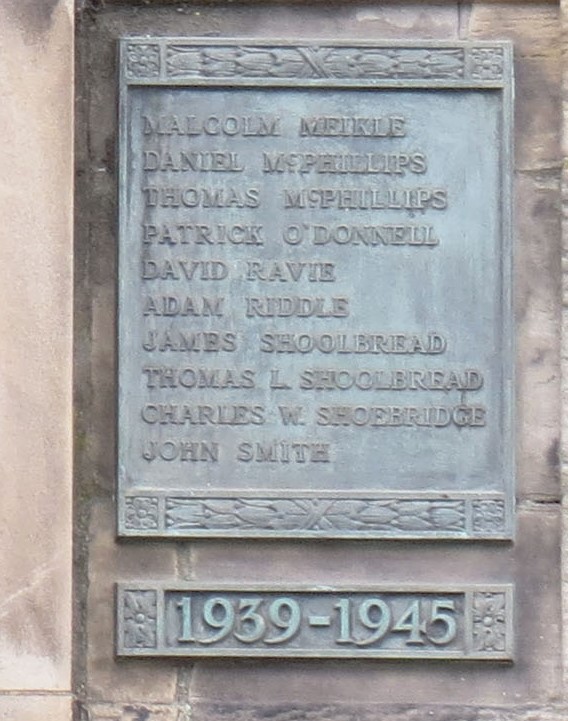
Private Malcolm Meikle of 1st Gordon Highlanders, killed in action on 19th June 1944, aged 35. Malcolm is buried in Banneville-La -Campagne War Cemetery, Calvados, France.
Sergeant John McKay also of the 1st Gordon Highlanders, killed in action on 11th July 1944, aged 38. (He had been awarded a Military Medal for acts of gallantry and devotion to duty during earlier service in Egypt). He is buried in Ranville War Cemetery, Calvados, France.
Petty Officer Stoker John Smith of the Royal Navy, missing believed drowned on 20th July 1944 aged 45, when his ship, HMS Isis struck a mine and sank off the Western sector of the Normandy landing beaches. She was the last interwar standard destroyer lost in the war, with eleven officers and 143 ratings lost. John is commemorated on Portsmouth Naval Memorial, and also on a Memorial in Portsmouth Cathedral.
“We will Remember Them”
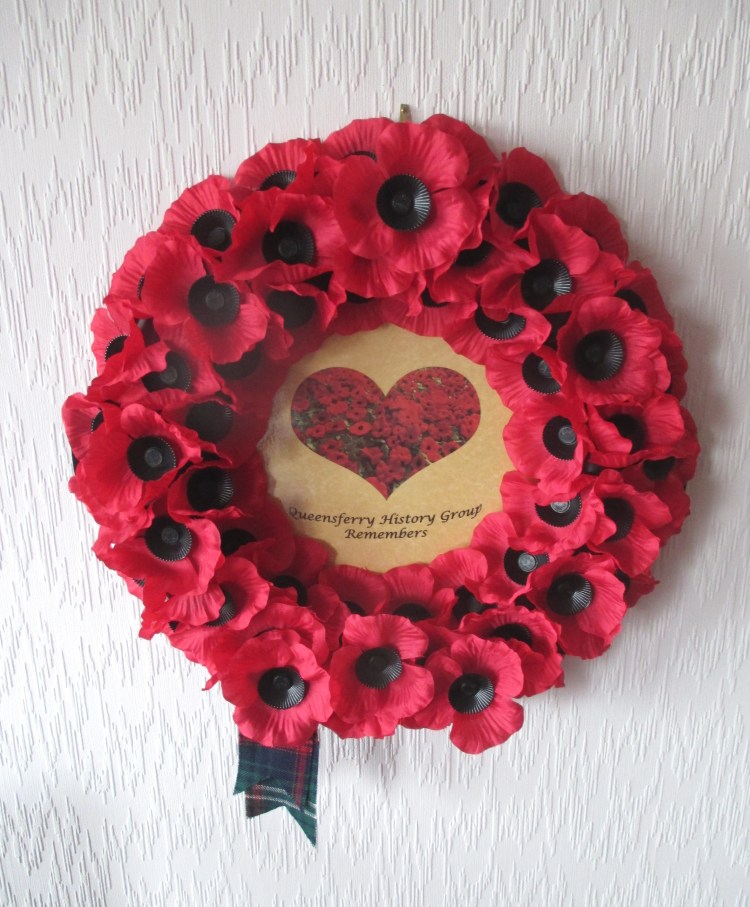
 Queensferry History
You must be logged in to post a comment.